
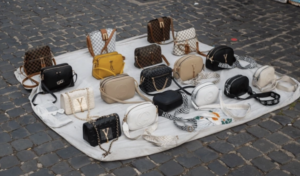
Influencer hauls celebrate “dupes” as a style choice. When does homage become trademark or copyright theft, and who gets hurt?
The word “dupe” makes it feel harmless. You get the vibe of a luxury item without the price, not a big deal right? Well, the tag sells a look, not a logo. But when you look closer, the story changes and the stitching copies a signature pattern. The hardware copies a protected shape. The print repeats a mark that a brand registered years ago. Influencers call it a find. Brands call it a fake and is disrespectful to the work they have put into their designs. Platforms sit in the middle while buyers argue that fashion has always been borrowed. Meanwhile, design students see their field changing by fast, cheap knockoffs, and small labels lose sales they cannot afford to lose. On top of this, there are also major safety issues when counterfeit goods skip testing. Aesthetic choice really just starts to look like a legal one. So, where is the line between inspiration and theft, and who gets to draw it?
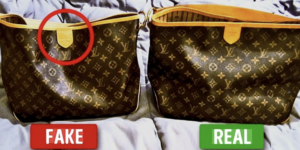
It is typical for fashion to build on older ideas, this is normal and the law does allow some of this. Also, copyright can protect original prints and artwork along with trademarks that protect names and logos. “Trade dress” can also be protected, which is “…protects a product’s overall look when it identifies the source,” (U.S. Patent and Trademark Office [USPTO], 2013). So, the first sale lets you resell a real item you bought, but does not let you make look-alikes that would confuse buyers. The words “inspired by” and “dupe” really blur these lines on social media. Some of these items are legal look-alikes, but there are no protected marks. To add, counterfeits don’t go through safety checks. That means dyes and glues in bags can be toxic, makeup can contain banned chemicals, and electronics like chargers can overheat or catch fire. Kids’ items may use weak parts or loose beads that break and choke. There is no warranty, no recall system, and no clear way to hold anyone accountable when something goes wrong. As a result, “Global counterfeit trade is roughly USD 467 billion,” (OECD & EUIPO, 2025). Though these items may look real on camera, it is definitely not the same thing in court.
So who really gets hurt? Well it’s not just big luxury houses, but small labels lose sales that are needed for them to survive. New designers and students see their ideas constantly copied before they can even build a name for themselves. Additionally, when brands copy fast, factories have to make things cheaper and quicker. That can mean lower pay and harsher hours for workers. Buyers often end up with flimsy stuff that falls apart, and there is no real customer support when it does. The platforms still earn views and ad money from “dupe” videos whether the product is good or bad, so the cycle keeps going. People will keep buying it and see for themselves whether the dupe was worth it or not.
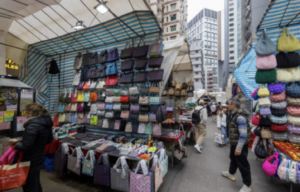
“Dupe Culture” uses the language and tools of art like styling, storytelling, and mood board to sell a look. Often, these videos promoting these dupes are filmed like a mini fashion edit or as something you need. This shifts from homage into unauthorized copying which is the criminal side of this, counterfeiting, buyer confusion, and money taken from the people who made the original. The promotions for these products turn real design work and brand meaning into a quick thumbnail, link, and often dissatisfaction with the item. It treats authorship as optional while the platform and creator promoting it still earns views. In that space, art is not just the look, but it becomes the aesthetic cover that makes taking from others feel normalized.
So what should change? Well, clever labels would definitely help with this. If a product advertisement contains a legal look-alike, mention it! If it shows a product that copies protected marks, treat that as a counterfeit and take it down. Also, schools, especially fashion programs, can teach basic IP in intro to fashion courses. Another factor that would help would be creators and marketers taking less “dupe” brand deals, and start selling more original products and how to style them. Platforms can also ask sellers and affiliates to show proof of origin before links go live, and require clear labeling so viewers can tell a lawful look-alike from a copy; recent legal guidance adds that brands should address influencer content directly, since influencers may be held accountable if consumers are misled (Varese et al., 2025). Marketplaces should enforce their own anti-counterfeit rules and remove listings that use another brand’s marks or extremely similar signs. Together, these steps push attention and money towards these hardworking designers instead of those making the fakes.
Related posts:
 A Brand Built Off of Piracy
 Shein Dupes Wreck Havoc on Small Businesses
 Shein: The One Stop Shop For Going-out Tops, Chicken Nuggets Earrings, and Child Labor?
 Shein vs Forced labor
 The Infamous Meat Dress
 Balenciaga Quasi-Scandal: “Toy Stories”
 The Problematic Origins of Your Mothers Favorite Clothing Store
Powered by YARPP.
I think that “dupe culture” is pretty interesting because of the line between making fashion more affordable and completely copying another person or company’s design. On one hand, a lot of designer companies continue to raise the prices of their items to levels that most people cannot afford, and people search for cheaper options, therefore keeping the “dupe culture” and market alive. While I can understand and even support, in some cases, the duping of such designer items in order to offer similar items to more of the general public, when someone copies a small-business or individual designers items, this becomes a problem. It is likely in these cases that the designer put in weeks and weeks of work on the products with minimal resources and help, and copying it to make it cheaper harms the original designer directly. There is a big difference between creating an affordable alternative to a huge high-end brand and taking the work of a small, individual creator who likely depends on the sale of their products to live.
I spent a few months living abroad where I noticed an unbelievable number of people selling designer dupes on the streets. I even stopped to examine some of the bags in each country I visited because I was shocked to see this in countries where I had always associated fashion with style and authenticity. It became a game between my friends and I to find the best quality bag, however nothing ever compared to the quality of the dupes found in the United States. I traveled a lot as a kid but only remember seeing this “dupe culture” prominent in Mexico. Seeing how widespread it has become all over the world makes me question if the laws all the countries have are effective?
“Dupe culture” really is such an interesting and constantly growing topic. What used to be considered a “fake” has now been renamed a “dupe” and has become more socially acceptable. It really is interesting how the rebranding of a practice can influence its social acceptability. I also think the accessibility of these items through websites like dhgate has transformed the reach these items have. Before these websites, individuals would have to locate stores who took the risk of selling these items, but now they are able go online and order these fake items to their doorsteps. Safety is such an important piece to touch on because individuals do not realize the risk they assume in purchasing these unregulated items. It will be interesting to see how the connotation of a dupe continues to evolve as time goes on.
Very interesting read! I think dupe culture is a massive topic. I was in Europe traveling this past semester, and I could see different off-main brands almost everywhere. The market for this is absolutely massive, and I don’t see it stopping anytime soon. Many people don’t have the money to spend on new clothing or products, and especially considering the ongoing consumer culture, this trend will only continue. Brands try to “copyright,” but there is only so much they can do. Hopefully, true consumerism ends up starting to affect the population, and people may eventually change.