
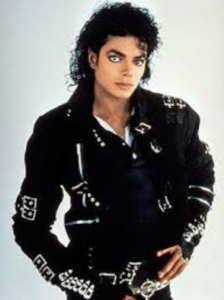
What do we do when the artists who shaped our culture become the center of controversy? As accusations, scandals, and ethical questions surface around some of the most influential creative figures of our time, a pressing debate has emerged about whether we can separate the art from the artist.
Michael Jackson stands as one of the trickiest and most debated examples. On one hand, he is celebrated as one of the most influential musicians in modern history. His innovations in pop music, dance, performance, and visual storytelling have shaped entire generations of artists and listeners. On the other hand, he remains the subject of serious and unresolved allegations of child sexual abuse. These two truths coexist, creating a dilemma with no easy solution.
This dilemma is not unique to Jackson. In recent years, audiences have faced similar questions surrounding other artists whose actions have sparked public backlash. Morgan Wallen’s use of a racial slur ignited debate about whether commercial success should continue despite harmful behavior, while Kanye West’s antisemitic comments forced listeners, brands, and institutions to reconsider their relationship with his music. These cases reveal a broader cultural struggle over how we respond when influential creators cross moral or social boundaries.
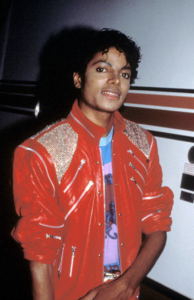
What makes Jackson’s dilemma especially complicated is the sheer scale of his cultural impact. His work is not just popular. It is everywhere. “Thriller,” “Beat It,” and “Billie Jean” echo through holiday playlists, halftime shows, flash mobs, Halloween costumes, school dances, and decades of collective memory. His vision helped define the rise of the modern music video, transform pop choreography, and reshape global pop culture. Removing Jackson from the cultural record would not be a simple act of critique. It would mean rewriting an entire chapter of music history.
This is where the first part of the dilemma takes hold. Jackson’s art is so deeply embedded in our culture that distancing ourselves from it can feel almost impossible. His music exists far beyond him now; it belongs to millions who grew up hearing it, dancing to it, and absorbing it into their lives.
At the same time, the allegations against Jackson cannot be dismissed. Over the years, documentaries and renewed court discussions have brought these accusations back into public view, prompting many to reconsider their relationship with his music. Ongoing legal disputes involving Jackson’s estate and the families of alleged victims keep the conversation alive long after his death.
For many people, engaging with his music feels ethically fraught and even disrespectful to survivors of abuse. They argue that celebrating his legacy risks minimizing the seriousness of the allegations and overshadowing the voices of those who came forward. Here, the cultural weight of Jackson’s art collides directly with the moral weight of the accusations. This clash raises a difficult question: when the art is this influential, does enjoying it imply support for the artist, or can appreciation for the work exist separate from the person who created it? Balancing cultural admiration with moral accountability has become one of the defining challenges of understanding Jackson’s legacy.
His death complicates the issue even further. Unlike living artists accused of misconduct, Jackson can no longer respond, apologize, face trial, or change. No legal verdict can fully resolve the situation, and no personal reckoning is possible.
Another layer to consider is that Jackson’s work was never the product of a single person. His albums involved producers, musicians, engineers, choreographers, directors, and dancers whose contributions helped shape pop culture. Rejecting the art entirely raises the question of whether we are also erasing the creative labor of collaborators who did nothing wrong.
These tensions show that separating art from artist is not just a cultural question. It is a personal one. Emotional attachment often sits beside ethical discomfort. Nostalgia often clashes with moral clarity. People may find themselves holding admiration and unease at the same time, and for many, this contradiction is unavoidable.
Ultimately, the debate over Michael Jackson reflects a larger struggle in art ethics: how do we engage with culturally significant work created by someone accused of serious harm? There is no universal rule, because responses depend on personal values, lived experience, and interpretations of justice. The dilemma itself reveals an important truth: some art becomes too culturally influential to erase, and some allegations too serious to ignore. This tension between cultural impact and moral responsibility makes Michael Jackson one of the most complex cases in the ongoing discussion about separating the art from the artist.
Whether or not we should separate Jackson’s art from the allegations remains an open question. What matters more is understanding why this case is so uniquely difficult. In confronting the contradictions of his legacy, we also confront broader questions about power, fame, ethics, and how society remembers its most complicated figures.
Related posts:
 Scarlett Johansson Sues Disney over Black Widow Release
 Double Standards of the Female Actress
 Who Cancelled My Favorite Celebrity?
 Do we love antiheroes a little too much?
 Hollywood: Guilty Until Proven Innocent
 Alec Baldwin, the Criminal or Artist?
 Balenciaga: Social Media’s Role in Cancel Culture
Powered by YARPP.
This topic is even more relevant today with the recent release of the Michael movie, and the fact that an entire act of the movie had to be removed because of the stipulations with the legal settlements of the allegations against Michael Jackson. That makes the question presented in this post more complicated as the movie is a new form of art surrounding Michael Jackson that makes people evaluate their beliefs and morals and make a decision on whether to support it or not. It also correlates with the mention of outside labor and collaborations, as Jackson had no role in making the movie as it was made posthumously, but rather his family and others that knew or respected his story to make it into a new Hollywood hit. As the post describes, Jackson’s cultural influence is so significant that its difficult to remove his music and influence from the serious allegations brought against him. This goes to show that there is not one simple answer to whether or not an artist can or should be separated from their work.
I think Michael Jackson’s case shows how difficult it is to separate an artist from their art when music is such a major part of people’s lives. I understand why people enjoy songs like “Thriller” and “Billie Jean,” but I also think the allegations should not be ignored just because Jackson had such an important influence on pop culture. Listening to his music does not necessarily mean someone supports everything he may have done, but celebrating him without acknowledging the accusations can feel insensitive to the alleged victims. I also agree that completely removing his music would ignore the contributions of many musicians, dancers, producers, and collaborators who helped create it. Ultimately, people have to decide for themselves how they engage with Jackson’s art while still holding space for accountability and the seriousness of the allegations.
I think Michael Jackson’s case shows how difficult it is to separate an artist from their art when the music is such a major part of people’s lives. I understand why people still enjoy songs like “Thriller” and “Billie Jean,” but I also think the allegations should not be ignored just because Jackson had such an important influence on pop culture. Listening to his music does not necessarily mean someone supports everything he may have done, but celebrating him without acknowledging the accusations can feel insensitive to the alleged victims. I also agree that completely removing his music would ignore the contributions of the many musicians, dancers, producers, and collaborators who helped create it. Ultimately, people have to decide for themselves how they engage with Jackson’s work while still holding space for accountability and the seriousness of the allegations.
My position on the Michael Jackson debate is that people should condemn Jackson for his actions but not pretend that they will never listen to his music again. It is completely unrealistic for people to totally separate his music from his behavior, but it is equally unrealistic to think that each individual fully understands the personal history of each artist they are listening to. Many people will criticize others for supporting artists with mixed morals, but will continue to support their favorite musicians while overlooking the harm they have caused. Completely cutting out any musical artists that caused harm would change the entire music industry and discredit history.
This article interested me as someone who grew up with Michael Jackson’s music and still enjoys it today. The new Michael movie brought Jackson’s story back to life and into public discussion. It really broke down the mixed feelings many have when reflecting on his music. His songs are so ingrained into pop culture like Thriller with Halloween, it feels impossible to completely erase him. On the other hand, it is hard to not acknowledge the allegations he received for abuse and misconduct. The article brought up a good point to me though, “that Jackson’s work was never the product of a single person. His albums involved producers, musicians, engineers, choreographers, directors, and dancers whose contributions helped shape pop culture.” This was an important reminder for me that there are so many other players factored into these songs that have nothing to do with Jackson’s past, these were hardworking people who dedicated their time to contributing to this chapter of music history. Erasing an iconic artist like Jackson’s music doesn’t just affect his legacy it affects so many others as well and that’s definitely something to consider.
As media grows, this matters not only to music artists but also to influencers, actors, and other big names in Hollywood. Separating art and the artist is honestly a personal decision that people have to make for themselves. People have to decide where the line is for them to stop supporting an artist. With Michael Jackson no longer alive, I believe it may be harder for people to separate the artist from the art, as he is arguably the most influential musician in terms of pop culture and choreography. However, I don’t feel like this gives him an out from all of the allegations he has received and the harmful actions he has taken against children and families. A lot of artists today also face allegations, and I do not think their actions should be written off just because they are popular.
This question spans beyond the music industry into questions of history as well. An example of such being the struggles faced in granting individuals such as Christopher Columbus or Ceaser Chavez their places in history alongside their muddled and deeply disturbing actions. It has largely been determined that historical achievements made by these individuals cannot be seperated from their malicious conduct meaning the two should exisit and be considered in tandem. I think this sort of strategy may work for the music industry in terms of recognizing the talents of the artist while also acknowledging the wrongs they committed. Thus allowing for their place in history to remain but to be thoughtfully reconsidered and the complete narrative to be brought into conversation.
This question becomes even more relevant today as cancel culture becomes more popular. I think it is a person decision to separate art from artist and can be done on different levels depending on the issue and one’s personal connection to it. Michael Jackson is a unique case due to his death, but I think it is important to use someone’s current art and proximity to fame as a way to hold them accountable for their actions, rather than writing them off entirely. Some people will always support after cancellation, but you also have every right not to engage with someone’s art on the basis of their personal actions.