
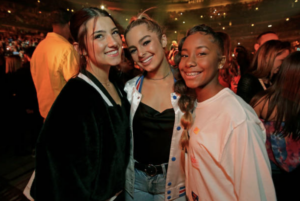
In 2019, a 14-year-old’s dance moves helped make other people famous. Jalaiah Harmon choreographed the Renegade, which blew up on TikTok and helped catapult largely white creators like Charli D’Amelio and Addison Rae to stardom, while Harmon herself was rarely, if ever, credited (NBC News).
Harmon’s father signed her up for dance classes after noticing how quickly she picked up choreography, and after The New York Times profiled her, her status exploded (NBC News). The dance spread quickly, but its creator stayed largely invisible until journalists stepped in.
That raises the question at the center of this post, is using someone’s choreography without credit a form of theft? The law offers little help. When Fresh Prince star Alfonso Ribeiro tried to register his famous “Carlton Dance,” the U.S. Copyright Office refused, calling it a simple routine rather than a protectable choreographic work (Manatt). Ribeiro later dropped his lawsuits against the makers of Fortnite and NBA 2K (Goodmans). If a dance that is as famous as this can’t be protected, a teenager’s TikTok routine may face the same obstacle. Morally, though, many people felt a line had been crossed, because the people who profited were not the people who created it.
The pattern repeated. In March 2021, Addison Rae performed eight viral TikTok dances on The Tonight Show, and the segment was heavily criticized for not crediting their creators. Rae told TMZ that it would have been hard to credit them during the show, yet the show later invited several of the creators on air (Gulf News). So credit was possible all along, just not by default.
From a marketing perspective, the stakes are real. Rae alone had more than 79 million followers at the time (Gulf News), and creators with audiences like that can turn attention into fame and income. Dance is free content on a platform where attention equals value, and the people who originate that content can be left out of the rewards.
There is a counterargument. TikTok dances are meant to be copied, and some would argue that imitation is how a trend becomes a trend. Requiring credit for every eight counts could take the fun out of the platform. But the fun is exactly why the money matters, because the person who built the trend is the one who gets left out of it.
Things have improved. After an online backlash, the NBA invited Harmon to perform at the 2020 NBA All Star Game (Gulf News), and Ellen DeGeneres gave her a jacket reading “the original Renegade dancer” (Complex). Her story also helped shift attitudes about crediting creators on platforms like TikTok (NBC News). Still, it took public outrage to get there. In my view, if a platform profits from creativity, giving credit should be the default and not a reward for being caught. If taking uncredited creative work isn’t a crime in the legal sense, it is still a kind of theft, which is exactly the gray area this archive exists to explore.
Related posts:
 Eyes Inward, Ears Covered
 The Sinister Motive Behind Fortnite’s Emotes
 Looking to Pirate a Show or Film? Click Here!
 Disney’s Day of the Dead Fiasco
 Shein Dupes Wreck Havoc on Small Businesses
 Drugs and EDM: An Intimate Relationship
 Met Museum stopped prayer to Ancestral gods
Powered by YARPP.