

One of the most favored kinds of entertainment in contemporary media is true crime. Real murders are frequently turned into narratives for the general public through podcasts, documentaries, TV shows, books, and social media posts. These narratives are meticulously crafted works of art, but they are also frequently presented as investigations or attempts to comprehend criminal conduct. They transform actual misery into something that viewers can see, talk about, and occasionally even enjoy through the use of performers, music, lighting, editing, tension, and visual symbolism. Dahmer—Monster: The Jeffrey Dahmer Story on Netflix demonstrates how closely crime and creativity may coexist. The show doesn’t actually commit the crimes, but it portrays the crimes committed and turns them into entertainment and profits from its viewers.
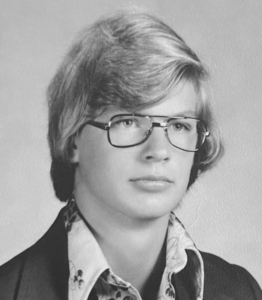
Released in 2022, the show dramatizes the crimes of a prolific serial killer, Jeffrey Dahmer, who killed seventeen people. His killing spree lasted from 1978 until he was arrested in 1991. The show uses the visual language of fiction, unlike a conventional documentary. Peters plays Dahmer as a character, and the episodes are designed around suspense. The series retells incidents involving Dahmer, his victims, their families, and the police. But this isn’t just a retelling. It is a creative interpretation of those events, influenced by choices regarding which viewpoint is highlighted and how the audience is urged to feel.
The show also shows how true crime aesthetics can make brutality more palatable. A terrifying but visually controlled universe is created via the slow tempo, ominous music, theatrical close-ups, and acting that visualizes an interpretation of how Jeffrey Dahmer would have lived his life. The murders become scenes, the victims become characters, and Dahmer becomes a known figure played by a famous actor. This transition is a key representation of crimesploitation, which is when real crimes that have been committed become an artistic appeal in the entertainment industry.
While the show gained a lot of attention when it was released, it also came across a lot of criticism, especially from people who were actually affected by Dahmer. This is because the victims’ families were not properly consulted before the release of the series. One of Dahmer’s victims’ relatives, Errol Lindsey’s sister, Rita Isbell, expressed her disapproval of the show after seeing the reenactment of her testimony in court. Other relatives also complained about the way Netflix turned their family grief into entertainment. This presents a crucial question. Was this show really an ethical way to represent the pain of the victims and their families? Crime scene photos, victim names, and court details may have been public, but the show turned it into pure entertainment.
When true crime focuses on victims, looks into injustice, or reveals flaws in the criminal justice system, it can have a significant impact. But not every creative choice is justified by an important event in history. The most identifiable figure in Dahmer—Monster: The Jeffrey Dahmer Story is still the murderer, but the victims are frequently remembered mostly for how they passed away. This demonstrates how simple it is for actual crime to divert focus from victims to the culprit, the actor playing him, and the story’s entertainment value. True crime today is considered an art form and dramatizes real-life events that have caused great harm. When murder becomes content, viewers should think about whether what is represented is actually accurate or just for entertainment, who benefits, who is portrayed, and who is forced to relive the crime again.
Related posts:
 Dancing with a Con Artist
 When True Crime Stops Being True: Netflix’s Commercialization of the Lizzie Borden Case
 Crimesploitation in 2022
 Architecture and Exploitation: Beauty is pain?
 Murder, Mystery, & Makeup
 Unsolved Mysteries: Public Involvement in Crime Solving
 Murder, Mystery & Makeup
Powered by YARPP.