
In recent years, the new phrase “cancel culture” has become commonly known and has risen due to social media amplifying the power of the public opinion. To define this term, it would be when individuals, often well known, like celebrities or influencers, are socially outcast or boycotted due to their statements, actions, or behaviors deemed offensive or harmful. While some argue that cancel culture promotes accountability, others see it as a modern form of mob mentality where individuals are harshly judged without full context. Mob mentality refers to when individuals in a group adopt behaviors or beliefs that they might not normally follow on their own, often because of peer pressure or fear of standing out.
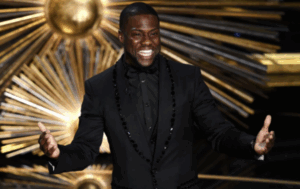
One of the more well-known examples involves comedian Kevin Hart, who faced backlash in 2018 over past tweets that were widely considered homophobic. Hart initially resisted apologizing, sparking intense online criticism and forcing him to step down from hosting the Oscars. While many saw this as an important consequence for offensive behavior, others argued that the uproar ignored Hart’s public expressions of regret and personal growth. This raises the question: does cancel culture allow for evolution, or does it demand permanent punishment for past mistakes?
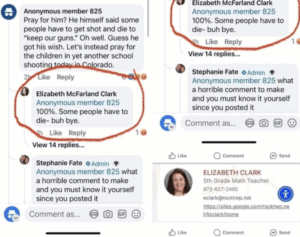
However, cancel culture isn’t limited to celebrities. Everyday people can also become targets, often with serious consequences. More recently in 2025, Elizabeth Clark, a fifth-grade math teacher at Katharine D. Malone Elementary School in Rockaway Township, New Jersey, resigned after posting an insensitive comment on social media regarding the assassination of conservative activist Charlie Kirk. Her remark created immediate public outrage that led to threats and harassment, and finally, the call for her removal from the school. This case demonstrates how cancel culture can quickly escalate and greatly alter the lives of ordinary individuals, not just public figures.
At its core, cancel culture deals with both ethics and psychology. On one hand, it can highlight harmful behaviors and give a voice to smaller communities who may have previously been ignored. On the other hand, it can create an environment where fear of backlash discourages honest dialogue and critical thinking. Online anger spreads so fast that people don’t get a chance to explain themselves, and the backlash can be worse than the mistake, hurting their mental health, careers, and reputation.
The debate over cancel culture also brings up questions about societal values. Are we more interested in immediate punishment or genuine accountability? Should public shaming be a tool for education and reform, or has it become entertainment for online audiences? Experts say it’s better to admit mistakes, fix them, and learn from them instead of being punished forever.
Cancel culture is unlikely to disappear anytime soon, as social media continues to dominate societal conversation. Its rise reflects both the increasing awareness of social issues and the dangers of online mob behavior. While it can empower communities to demand accountability, it also reminds us of the human cost of unchecked outrage. Ultimately, cancel culture challenges society to balance justice with empathy, accountability with forgiveness, and outrage with understanding.
Related posts:
 Who Cancelled My Favorite Celebrity?
 Balenciaga Quasi-Scandal: “Toy Stories”
 Balenciaga: Social Media’s Role in Cancel Culture
 Is the Shot Worth the Cost? The Dangerous Side of Paparazzi Culture
 (Taylor’s Version): The Stolen Music of Taylor Swift
 Devils and Details: Michelle Remembers Faulty Psychological Practices
 A Slap Heard Across the Internet: How Brooke Houts’ Career Imploded Overnight
Powered by YARPP.
Hi Jace, this article actually made me think more deeply about cancel culture. At first, I thought of it as a way to hold popular influencers and celebrities accountable. However, after reading this article, I realized that there was another side to it. In my opinion, cancel culture has pros and cons. It allows for influencers and celebrities to learn from their mistakes and reflect on their actions. However, the immediate “cancelling” of these people, as you said, does not necessarily allow for the reflection that they need to truly understand the impact of their actions. Additionally, these celebrities and influencers can apologize to the public and take accountability, however, no one truly knows whether they have reflected and changed. Some influencers, on the other hand, are unable to come back from their mistakes because social media and their followers will hold their mistakes over their heads for the rest of their career.
Hi Jace. I really liked your breakdown of cancel culture and how you tied in both celebrities and everyday people. The Kevin Hart example was definitely familiar to me, but I didn’t know about the teacher from New Jersey, and that really showed how cancel culture impacts more than just famous names. I totally agree with your point that it can sometimes go too far and feel more like mob mentality than real accountability. It makes me wonder if people online are always looking for growth and change, or if they just want someone to blame and punish. I also thought your ending was strong, especially the idea that we need to balance accountability with forgiveness. That feels important because everyone makes mistakes, and the real test should be whether someone learns from them.