
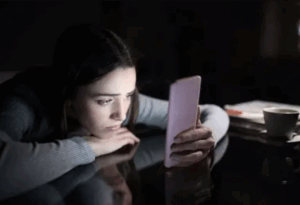
In an age where we can connect with anyone, anywhere, at any time, you would think loneliness would be rare. Yet studies are showing the opposite, our generation is reporting higher rates of loneliness than ever before. With group chats, social media, and FaceTime at our fingertips, it’s worth asking: if we’re always “connected,” why do so many of us still feel so isolated?
The truth is that digital connection fails to equal emotional connection. Scrolling through social media can give the illusion of community while deepening feelings of disconnection. Seeing constant updates of people hanging out, traveling, or achieving milestones can make us feel left out, even when we know those posts only show the highlights. During the pandemic, many of us learned that virtual interactions couldn’t replace the comfort of being physically present with others. That lack of real-world connection seems to have lingered even as life returned to “normal.”
Loneliness isn’t just an emotional feeling; it has real impacts on physical and mental health. Research has linked chronic loneliness to higher stress levels, poor sleep, and even weakened immunity. Ironically, the fear of loneliness can make people spend more time online seeking connection, which often leaves them feeling emptier.
Still, there’s hope in awareness. Making small efforts like reaching out to a friend, joining a campus club, or simply talking face-to-face can make a difference. True connection comes from vulnerability and shared experiences, not just likes and messages. Maybe the solution to loneliness isn’t finding more people to talk to but learning how to actually connect with the ones we already have.
Related posts:
 January 6th: The Art of Conspiracy
 Buildings Without People are Free Rein
 All in a Media Moment: Social Media and Social Justice
 The Love and Lust for Convicted Criminals
Social Media Platforms
The Love and Lust for Convicted Criminals
Social Media Platforms
 Prom: Crime or Public Service
 Zach Bryan and Brianna Chickenfry: Their Love ‘Fried’ Out
Powered by YARPP.
My parents and I have had several conversations about this exact topic. We discuss how our generation is lucky because we can connect with people disregarding distance and stay in touch with friends as we grow up and spread out. We’ve also talked about how harmful it is, seeing friends hang out without you and feeling left out, or seeing someone you went to high school with post an achievement of theirs and suddenly feeling unaccomplished. There is so much more comparison and jealousy present in online connections that is far less apparent in face-to-face interaction because online presence is perfectly curated. We carefully pick and choose what we want our image to be and we reinforce it over and over, and although we all know social media is fake, we still let those feelings have power over us. I think that’s a big part of why we still feel so lonely – these personas we’ve made up online and their connections are, for the most part, completely fake.
This really encapsulates how a lot of college students and younger teens feel in current society. The age of social media has made it both so easy to connect with others, but also so easy to know when you have been excluded (accidentally or not). As someone who is extremely outgoing, I definitely feel hurt when I see people I care about hanging out without inviting me. Also, in a state of constant connection it can be challenging to ever actually recharge your social battery with “me time,” which I think is so important, even for extroverts like myself.