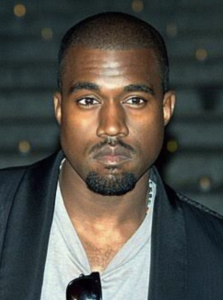
I often try to separate art from the artist, but I have a hard time doing that with Kanye West. From consistent outbursts in the media and offensive comments to controversial lyrics, he has negatively impacted the bipolar community by reinforcing harmful stereotypes. He is an extremely influential artist, so the way he speaks and writes about mental health has a significant impact on society. As someone who has bipolar disorder, I can’t even count the number of times someone has compared me to Kanye. This cuts me pretty deeply because I think so poorly of him, and I don’t believe that I have anything in common with him other than our shared mental illness.
Most people with the disorder are very dissimilar to him, but unfortunately, he is associated with bipolar disorder because he is a prominent figure who openly shares his experiences with this illness. I appreciate artists talking about mental health, but there are good and bad ways to do it. His approach has set the community back by romanticizing certain aspects and spreading misconceptions, which contribute to the stigmatization of bipolar disorder.
West is known for his controversial outbursts and posts, which he publicly blames on his disorder. Although impulsivity can be a symptom of manic episodes, it isn’t fair for him to consistently make harmful comments that are anti-Semitic or say things such as slavery “sounds like a choice.” Not only is it unacceptable to excuse these outbursts in general, but to then blame them on an already stigmatized illness is extremely unfair to the bipolar community, as well as the other groups that he targets. Although the condition can make people feel like they aren’t in full control of themselves, that doesn’t give them a pass to say or do whatever they want without taking accountability. His aggressive comments and failure to take accountability give the impression that people with the condition are reckless or aggressive individuals, which is an unfair generalization based on one person’s actions.
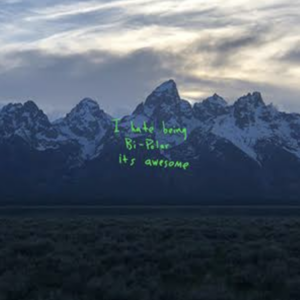
Some of his lyrics also contribute to these stereotypes. In one of his songs, he writes “today I seriously thought about killing you” and then says “I think about killing myself, and I love myself way more than I love you, so…” which gives the impression that people with bipolar disorder are violent and dangerous. In reality, it is more likely for people with the disorder to be victims of violence rather than perpetrators. Additionally, many of West’s lyrics and comments romanticize and misrepresent the disorder. He has described bipolar as his superpower and wrote on one of his album covers, “I hate being bipolar, it’s awesome.” This is a harmful message to convey to other people struggling with mental health, because symptoms such as mania need to be taken seriously. He has also stated that he refuses to stay medicated or accept help, which dismisses the reality of the disorder. Medication and lifestyle changes are important factors in managing any mental health condition, and advocacy for these things plays a pivotal role in the lives of so many people who are struggling with these issues.
Although West can be blamed for some of the stigmatization of the disorder, society is to blame for the judgment and misconceptions that are spread. Education and empathy are important to help people struggling with mental illness feel supported and motivated to get the help that they need. Several other celebrities like Demi Lovato, Catherine Zeta-Jones, and Carrie Fisher have shared their experiences with the illness. However, they have done this in a way that has contributed to the destigmatization of the disorder by using their platforms to advocate for others who are struggling. Unfortunately, it will be difficult to reverse the harmful misconceptions that West has contributed to, but other influential people need to add positive and realistic perspectives regarding mental illness to hopefully change the narrative.