

Princess and the Frog, Mulan, 101 Dalmatians, we have all watched at least one of these movies in our childhoods. Hundreds of thousands of the current adult population has grown up on Disney animated films. In particular, the hand drawn animated films with the vibrant watercolor backgrounds, whimsical character drawings, and the emotional connection many people have towards these films. Hand drawn animation films have become a part of nostalgia and magic from our childhoods.
Princess and the Frog in 2009 was followed by the release of Tangled in 2010, marking the transition of increasing reliance on computer animation and CGI (computer generated imagery). Digital animation provides endless possibilities, efficient outcomes, and what most people would argue as progress. It allows what wouldn’t be able to exist from a human hand to be possible with the touch of a button. CGI can change the way audiences view progress, creativity, and films in general, and is shifting the central idea of filmmaking from creative production to technological seamlessness. It makes films like Frozen or Moana become animated wonders, but what cost does this progress come at? And how much human touch can a computer animation really have?
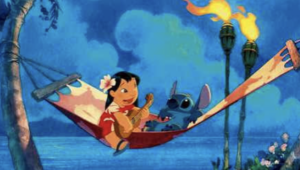
CGI lacks the artistic values that hand drawn animation brings. Hand drawn animation reflects the time and effort from each movement and hair strand brought to life by the animator. This labour directly correlated to significant meaning to the artists and the audience. Handdrawn films also invited the audience to interpret more, because everything was intentionally drawn and placed. It can also make you feel grounded and emotionally connected from their carefully chosen hues and minute details. The slight difference in each frame does not constitute carelessness, but rather a mark of human creativity. The goal of the animation process was to make a visually compelling image and story to the audience, not to command your attention in every corner of the screen.
Digital production does not put the labor at the forefront of the film, the artistry in CGI is produced by technology, although there are still artists involved, it is less focused on human creativity and connection to the art. Humans are meant to make art, and using CGI perpetuates a cultural and economic erasure of artistry and animated filmmaking when CGI makes it look so seamless.
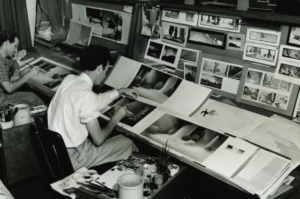
The smoothness, accuracy, and technical sophistication of CGI overlooks the authorship of individual artists and may standardize characters across films resulting in lack of emotional depth, personality, and meaning. A seamless image does not mean it’s a more artistic image, as there is not one standard for art.
The art of animation and creative production has rendered labour and artistic traditions invaluable to the idea of a perfect, polished surface CGI can bring. The problem is not the use of CGI, but rather a growing reliance on computer animation for efficiency and as an artistic standard. Animation is becoming a part of a system to create a product rather than a form of artistic expression. The process of the art is being forgotten in exchange for a seamless image.
Overall, Disney is changing the standard for animation as CGI is increasingly replacing the human hand- removing the creativity and emotional depth. It instead teaches to expect seamlessness. This means if labour and workforce continue to be hidden behind the product, what does this mean we truly value- the product or the labour?
Related posts:
 Disney’s Day of the Dead Fiasco
 OnlyFans: The Access to Child Pornography
 Should A.I. Resurrect the Dead for Hollywood?
 When Machines Make Art: AI, Creativity, and the Exploitation of Artists
 Now you see me, now you don’t: AI Surveillance and Fashion Activism
 Billions of streams, No Real Fans: 8 Million Dollars, AI music scam
 Heist of the Century… Or Not?
Powered by YARPP.