
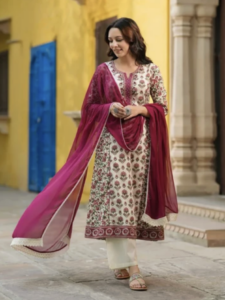
Western fashion has drawn inspiration from other cultures and places around the world for years, so the use of Indian traditional clothing and customary jewelry is not surprising. What is interesting though, is the use of this traditional wear not only without credit to the original culture, but also the entire rebranding of these items as something that the West came up with. This not only discredits Indian culture, but also furthers racist ideologies around South Asian heritage and further divides Eastern and Western lifestyles.
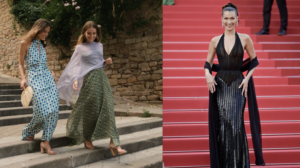
One of the most common items that has been popularized in Western fashion is the Indian dupatta. Traditionally it is worn on as a neck covering or shawl like scarf over salwar kameezes, kurtas, or lenghas (all traditional Indian clothing). However, as of late it is becoming more and more popular among Westerners with a new name- “Scandinavian scarf”. Not only is this a harmful way to discredit the rich cultural and historical background of the dupatta, but it also completely rewrites the narrative to center around a Western colonial country. It erases the Indian heritage and disconnects the history behind the invention of that item, framing it as one of the West’s own creations. Now you can find influencers doing fashion hauls with their “Scandinavian scarves” further isolating the South Asian community from this iconic fashion piece. This pushes the idea that India and Indian culture is not something worth crediting or important to further developments in fashion or other fields.
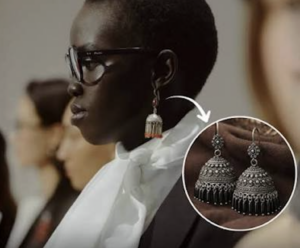
This same story has happened not only in fast fashion trends, but also with designer brands. For example, earlier this year Ralph Lauren labeled traditional South Asian earrings, jhumkas, as “vintage accessories” removing the significance and roots of the jewelry attached to it. By using an ambiguous name it detaches the design from the important place it has played in Indian culture for generations. Jhumkas have been seen in Indian temples, deities, and artworks for centuries and by placing these designs on the global stage without crediting where they came from it erases the Indian name from it. This not only harms the image of India but also harms the artisans who work to create these items only for them to get the short end of the deal when the garments are sold. Large corporations will sell these items for hundreds of thousands of dollars and shape the market around ethnic clothing and cultures, only to not give credit to the POC designers and creators, making the product easier to sell and easier to hide the origins of.
This kind of colonization is happening around the world in countries that are deemed not as “developed” or as “forward” as the US and Western countries are. For example, there has been a major influx of K-beauty (Korean beauty) products which receive raving reviews all while staying attached to their roots and where they come from. These countries’ images are sold as a part of the product while others are erased from the story being sold. The racism and prejudice that is involved in deciding which countries are “good enough” to be sold to a Western market versus being completely sidelined tells the story of hundreds of years of colonization and imperialism.
The Western gaze and market is such a powerful tool, people buy things in mass abundance and solely because they want rather than need it. Imagine a world where these clothes, accessories, items, etc were being sold by and credited to the cultures they were born from. Not only would it raise greater awareness of the impact and history of countless countries around the world, but it would also allow those countries to reach a more global stage and rise up to the level where work from them is also just as desired. Colonialism has held back so many regions from having the capability to reach their full potential, and brands minimizing the impact these regions have had on the design and production of products continues this same cycle. By learning and understanding where these trends stem from we are opening up our eyes to the beauty and rich artistry behind them. We have the opportunity to make the world a more colorful place and accept art as it is presented by the people who create it, but we will only be living in black and white until we are able to do that.
Related posts:
 Controversial H&M hoodie ad not racist, parents say
 K-Pop, a Melting Pot of Cultures?
 The Problematic Origins of Your Mothers Favorite Clothing Store
 Bodies Behind Glass: How Museums Turn People Into Exhibits
 “Nuke Ukraine” – The Significance of Displaced Anger
 Anti Anti-Colonialism?
 Fallen Angels: The Return of the Victoria’s Secret Fashion Show
Powered by YARPP.